
Technical Note BB18: Bioenergy is carbon neutral
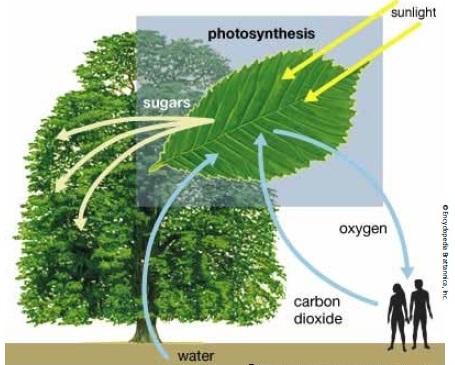 IPCC Guidelines recognise biomass used for energy as carbon neutral only when it is derived from organic waste streams or sustainably managed plantation forests.
Biomass for energy can originate from a range of sources, including liquid and solid organic wastes; forest residues remaining after log extraction; crop residues following harvest; and purpose-grown energy crops.
Natural forests are broadly carbon neutral over millennia, as carbon released through tree death is offset by new growth, with soil carbon cycling and remaining relatively stable. An exception occurs where there is a net loss of biomass - and therefore a reduction in carbon stock - due to external pressures such as degradation from deer or possum browsing.
While biomass sourced from organic waste and plantation forestry is often considered carbon neutral, the Intergovernmental Panel on Climate Change (IPCC) Guidelines do not automatically classify all biomass used for energy as carbon neutral, even where the biomass is assumed to be produced sustainably.